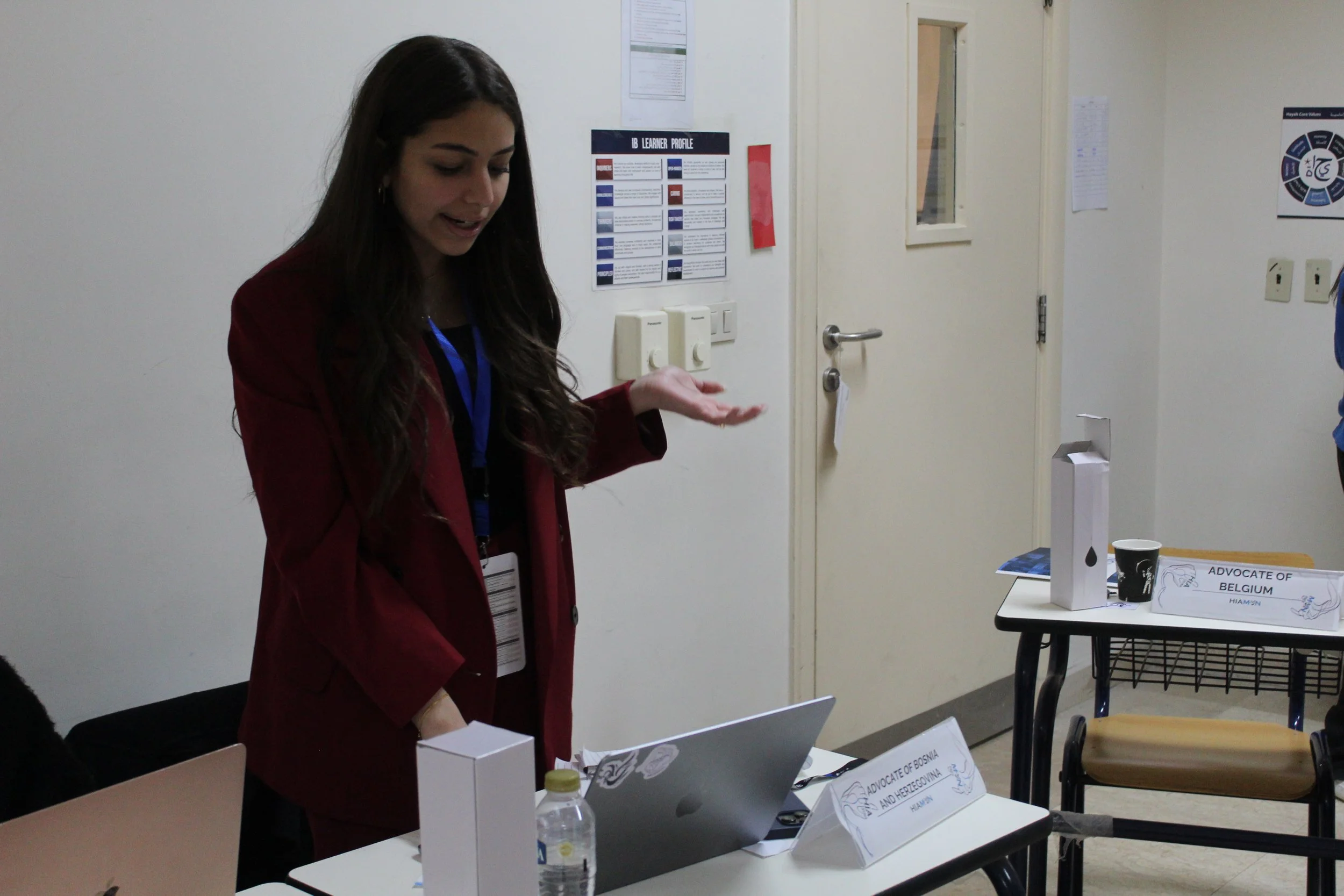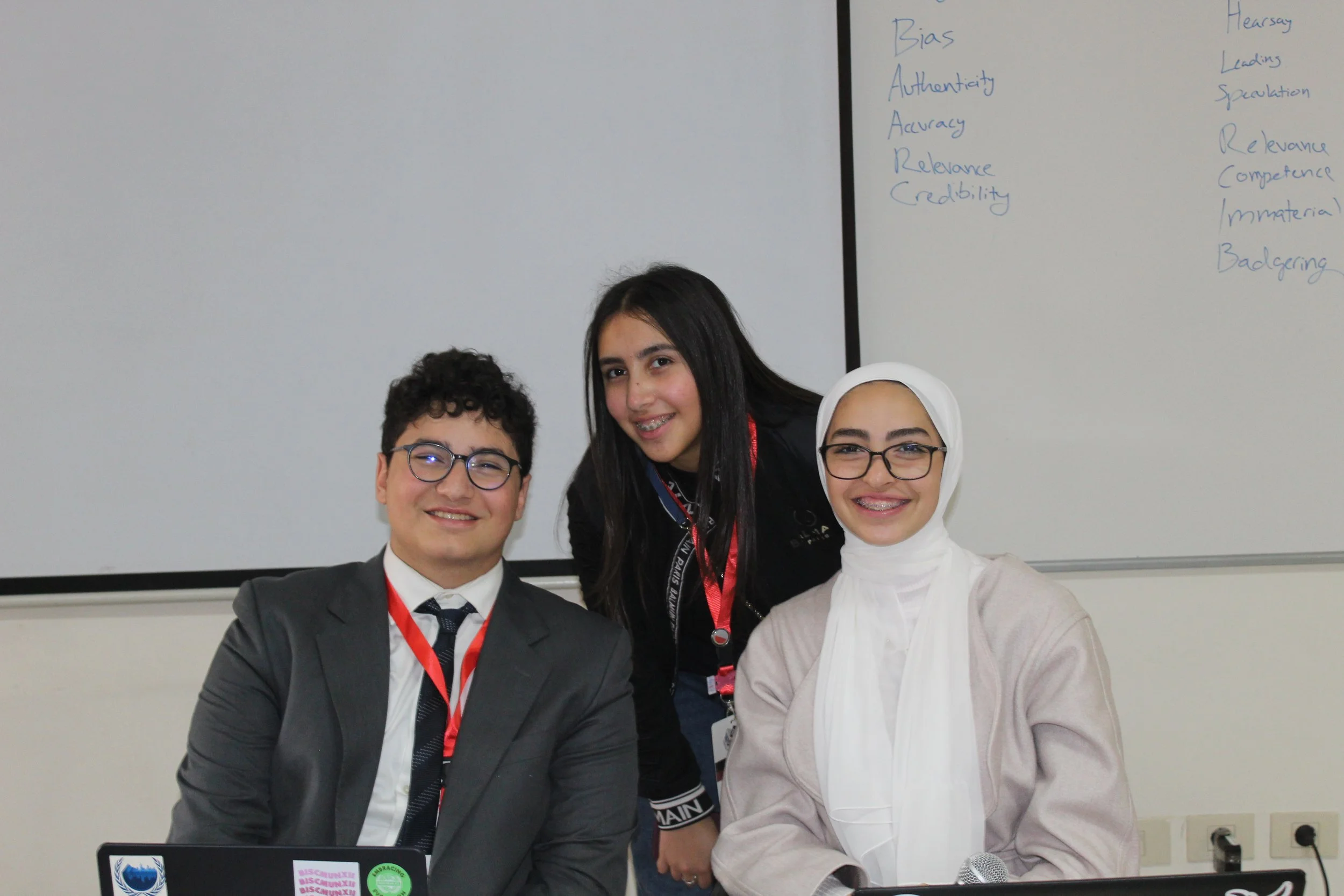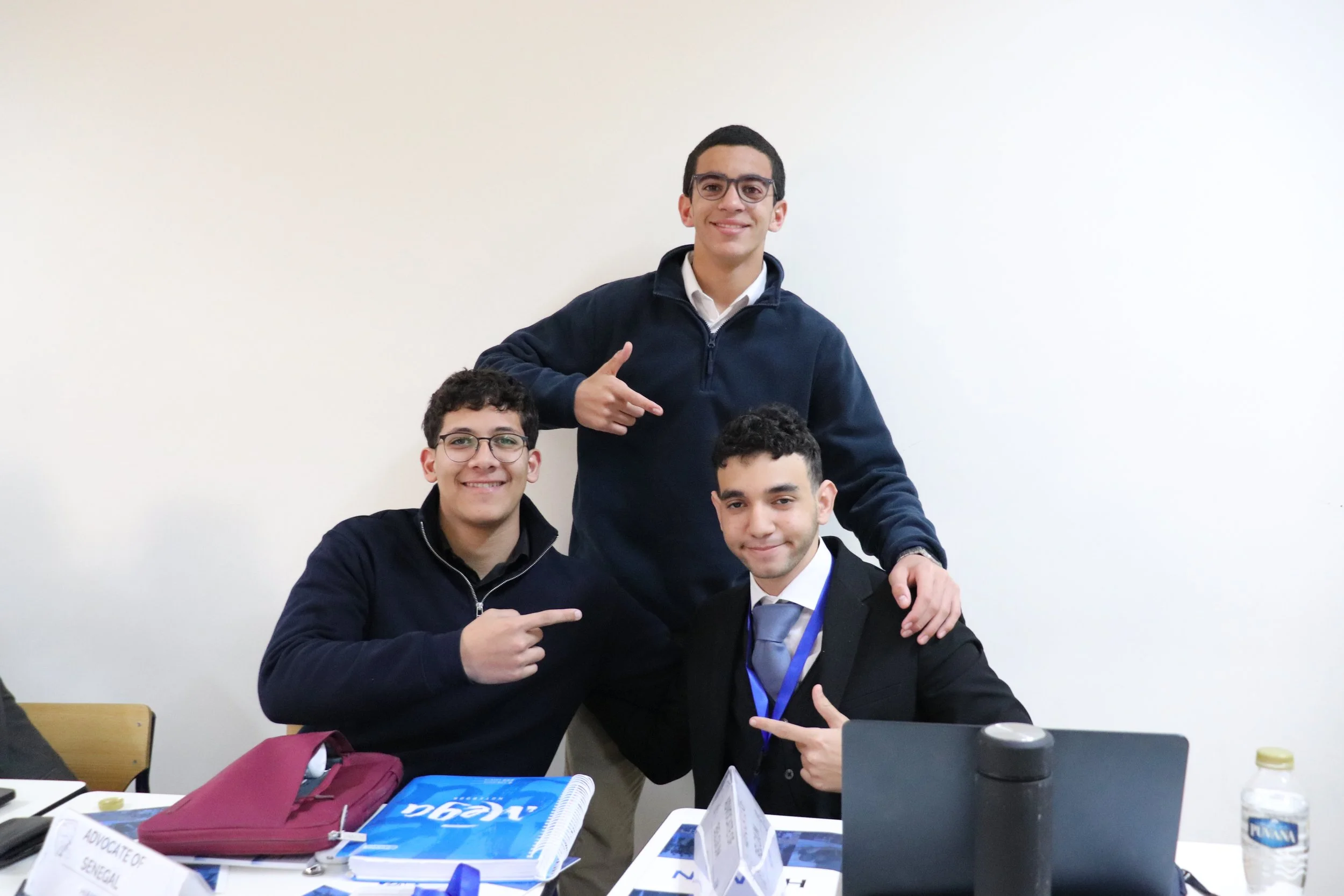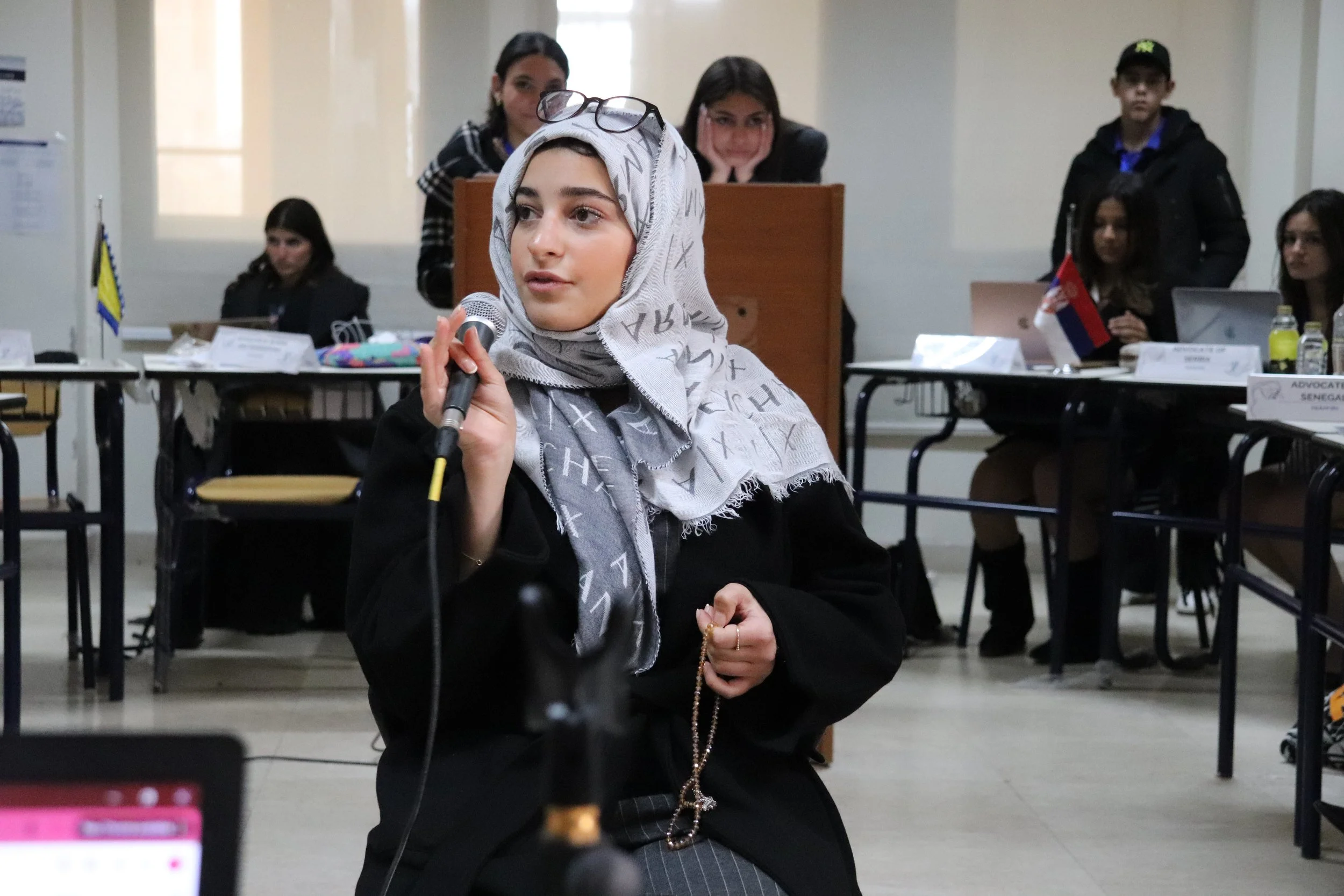
International Court of Justice

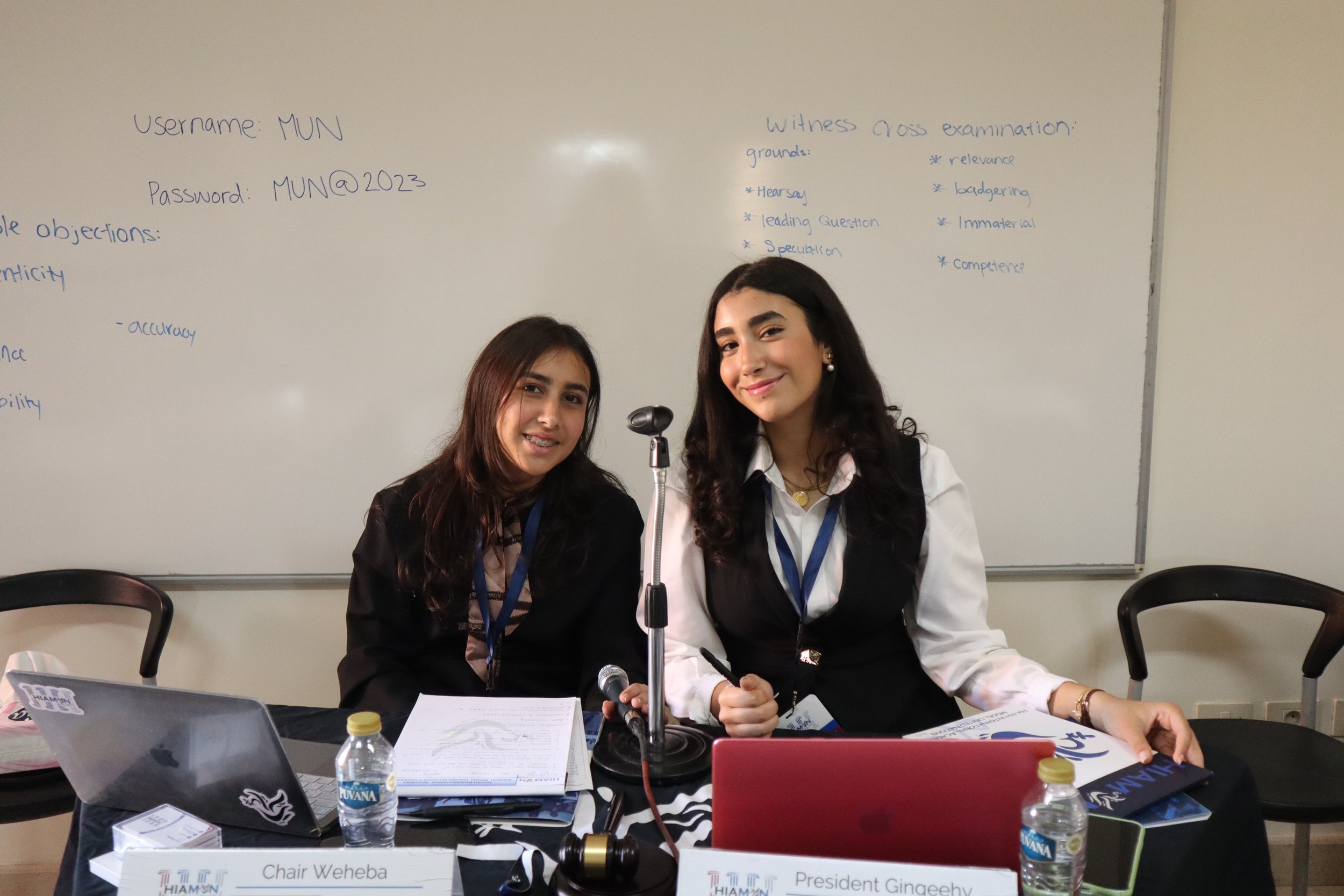
Sara Abdelsamad, President
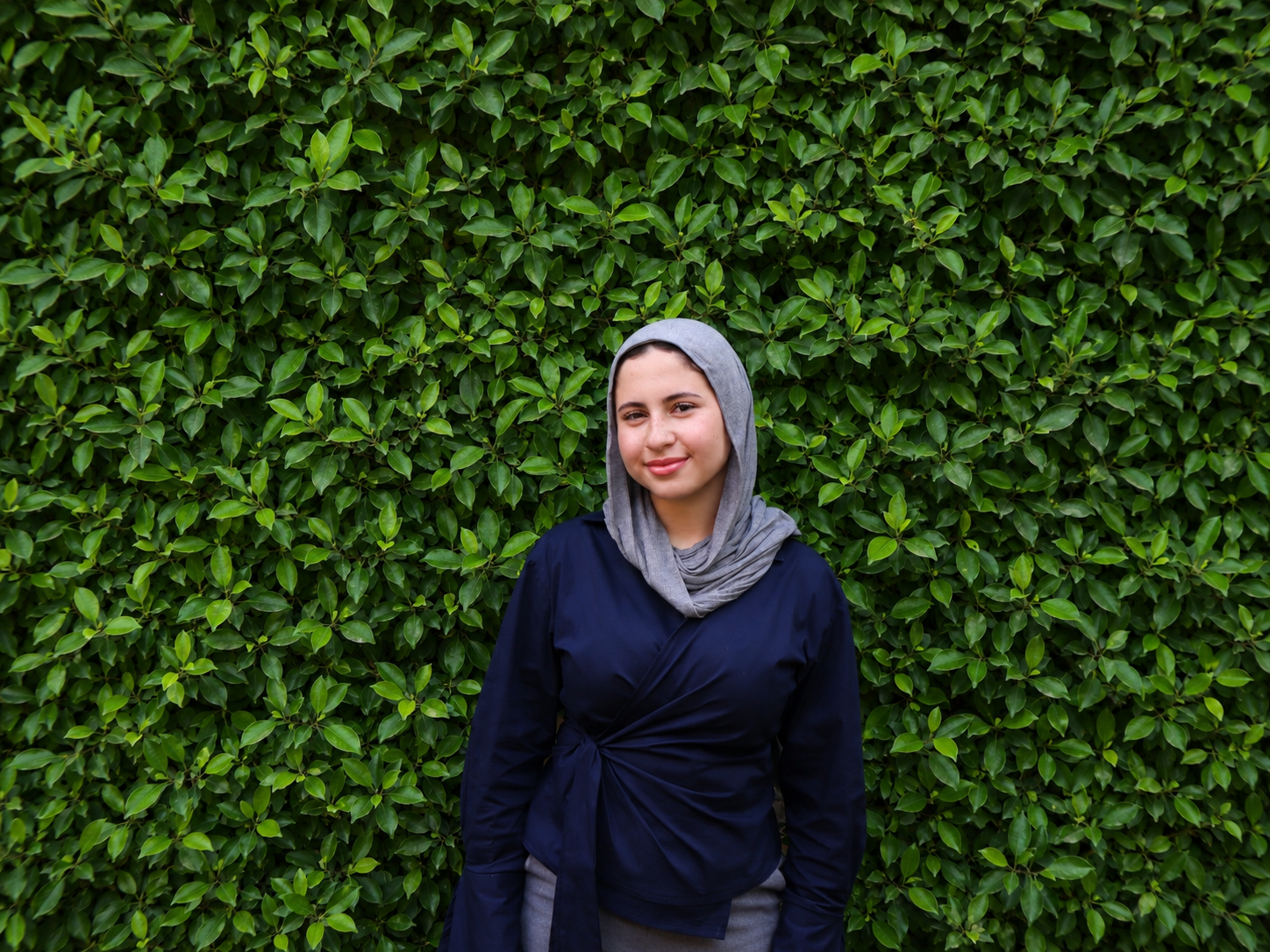
Alya Elagamy, Chair
The International Court of Justice was not built in a moment of triumph, but rather it was built in the aftermath of devastation caused by World War II. At that moment, nations looked at the wreckage of two world wars and chose, collectively, to converge. That choice, made in 1945, is the foundation every delegate stands on today.
Convergence, this year’s theme, lives naturally within this committee. Every judgment the ICJ has ever issued was the product of opposing arguments meeting within a shared space to agree on a joint solution, shaped into something the world could accept. That is what we ask of you here: that every judge, advocate, and delegate comes in, not to compromise on their own opinion, but to find purpose in listening, reasoning, and allowing different perspectives to meet. My most esteemed chair, Alya Elagamy, and I, are greatly anticipating the conference, where we hope to witness that convergence between our court members. Not only through debate in a courtroom, but on a wider scale, through the exchange of ideas, knowledge, and a collective effort to confront our world's ongoing issues.
Together, Alya and I have decided on two cases that we believe will allow such convergence not only to exist, but to thrive. The first case is Pulp Mills on the River Uruguay (Argentina v. Uruguay) which involves a dispute between both countries about the river they share. It poses the question of whether, in the case of harm to a transboundary river, environmental protection or economic development should take greater priority. The second case we picked is Jurisdictional Immunities of the State (Germany v. Italy), which discusses whether victims of Nazi war crimes could sue Germany in Italian courts, or whether Germany still had state immunity. We are hopeful that these cases will challenge the minds of the delegates in our forum, revisiting the theme of convergence. They remind us once more of the different types of disputes occurring around the world, whether environmental, humanitarian, or jurisdictional, and how all of them require law, reason, and cooperation to reach justice.
We are honoured to welcome you to HIAMUN ’27, where we hope to see your arguments, ideas, and perspectives converge into judgments that reflect not only the strength of international law, but also the spirit of justice it was created to protect.
Sara Abdelsamad, President of the International Court of Justice
Case 1: Pulp Mills on the River Uruguay (Argentina v. Uruguay)
Case 2: Jurisdictional Immunities of the State (Germany v. Italy)